

Choosing the Right Gas Logs: Vented, Vent-Free, and Direct Vent

Wintertime pushes us to our limits. It’s cold. It’s dark. It’s dreary. Yet, there’s one bright spot to those chilly days and long nights: curling up next to a roaring fireplace.
Nowadays, if you want an indoor fireplace with real flames, you have a couple options — wood-burning and gas fireplaces.
While wood-burning fireplaces do offer a special kind of ambiance, not every homeowner wants to deal with buying and chopping wood or constantly tending to a fire. Instead, they’d rather flip a switch and instantly enjoy the warmth and glow of a fire. For these people, a gas log is the perfect choice. It’s fast, convenient, and low maintenance, and the look of a gas fireplace can change the atmosphere of an entire room.
There are three main types of gas logs: vented, direct vent, or vent-free. Let’s explore the pros and cons of each so you can decide which is best for your home.
Benefits of a Gas Log
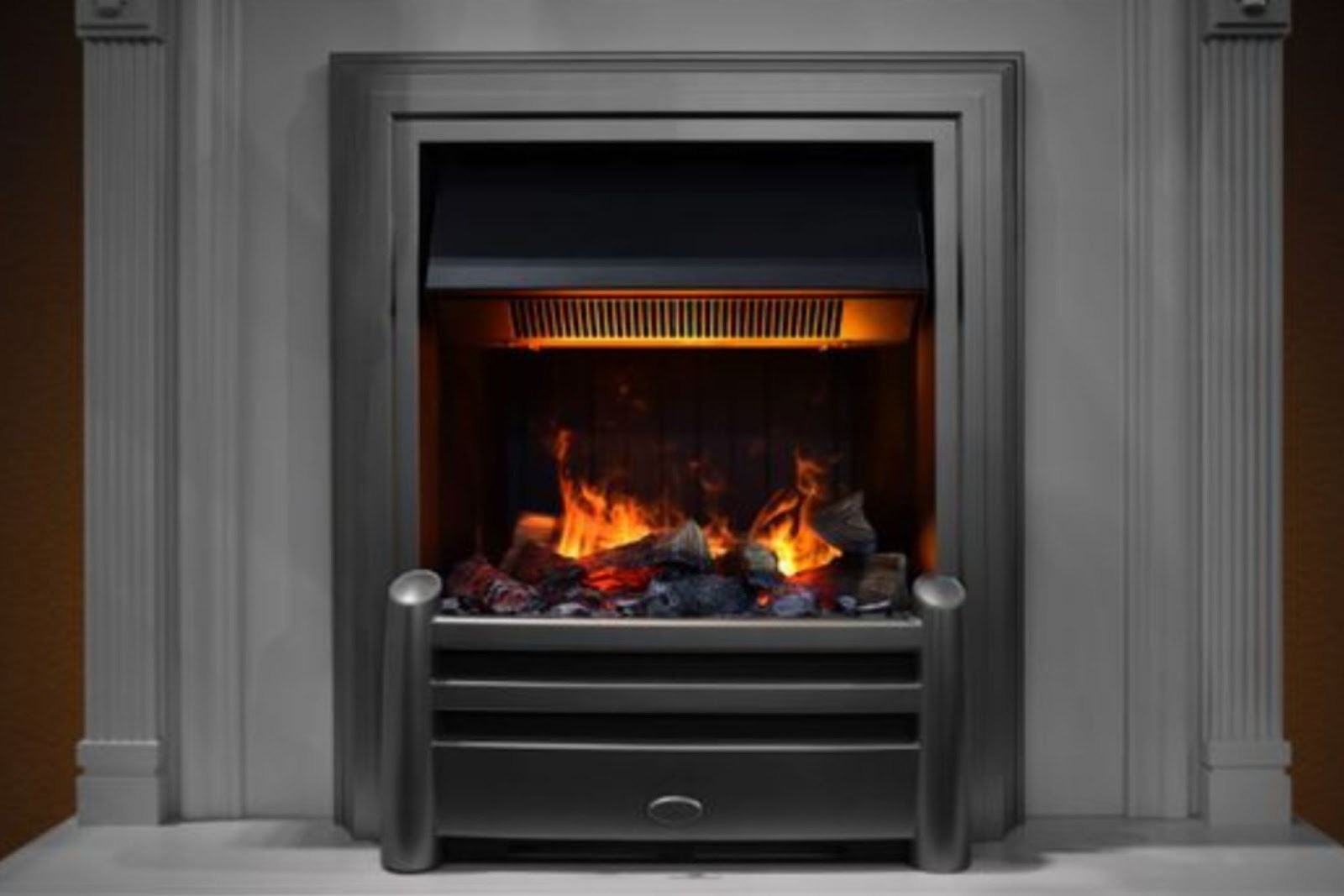
While wood-burning fireplaces can be quite labor intensive, a gas log couldn’t be easier to operate. Today’s models can be turned on or off by remote, switch, or even an app on your phone.
Outside of convenience, gas logs are a cleaner option for enjoying an indoor fire. There is no lingering smoky smell, and people with asthma or health issues can breathe easily without wood particles in the air (though some gas logs offer cleaner air than others).
Gas fireplaces are often a more cost-effective choice over wood-burning options, because gas is typically cheaper than the ongoing cost of firewood. Gas fires are also more consistent in terms of heat, as they pump out a very controlled flame.
Types of Gas Logs
Vent-Free
The most affordable kind of gas log is a ventless gas fireplace. Part of this savings comes from being a self-contained appliance. Vent-free logs are designed to only use the air inside the home, which means a venting system or chimney is not necessary. This allows a vent-free fireplace to be installed in virtually any room, from the living area to a bedroom or even a bathroom.
By heating the air already in the house, vent-free fireplaces are incredibly efficient and effective at producing heat. However, this proficient use of air can also be a drawback. If you have a strong odor in your house (say you cooked some fish), the fireplace could disperse that smell even more. Also, when the logs burn the oxygen in the home, it produces water vapor, which can make your home more humid.
Additionally, as the gas burns, small amounts of fumes can be released into the home. To avoid this issue, many people crack a window when using a ventless fireplace.
Vented
If you have a traditional fireplace and want to convert it into a gas log, a vented option is something to consider. Vented gas logs draw in air from your home but use a chimney or vent system to release the air, keeping the air in your home clean.
Vented gas logs also have a more realistic “fire” appearance. Vented gas logs burn at a lower temperature than ventless fireplaces, meaning the logs and the flames can touch in vented models. This results in the flames looking closer to what we’re used to seeing at a campfire.
While vented logs may look more realistic, they typically don’t put out as much heat as ventless options. Coupled with this, the chimney access may lead to cold air coming into your home.
Direct Vent
A subset of a vented fireplace is called a direct vent. This type of gas log has a dual venting system, meaning air is drawn in from the outdoors and is kicked back outside. The unit is completely sealed off from your home, meaning your indoor air won’t be affected by the gas log at all.
While this is the cleanest option in terms of air quality, the more complicated vent solution often means a higher price tag.
How to Choose
When deciding between vented, vent-free, and direct vent gas logs, consider:
- Ambiance – Vented gas logs create the look of a traditional wood fire.
- Heating efficiency – Vent-free gas logs are a top choice when extra warmth is the goal.
- Safety and balance – Direct vent fireplaces combine attractive flame patterns with a sealed, efficient system.
No matter which you choose, each type offers an easy, stylish, and enjoyable way to transform your fireplace.
Gas Logs in Greensboro, NC
At Fleet-Plummer in Greensboro, NC, we make it simple to find the perfect gas logs for your home. From the charm of vented logs to the warmth of vent-free and the modern appeal of direct vent fireplaces, our showroom displays let you compare options side by side. Our team will guide you through every step, from selection to installation, so you can enjoy your fireplace for years to come.
Frequently Asked Questions
What are the benefits of gas logs vs. wood-burning fireplaces?
Gas logs provide the warmth and beauty of a real fire without the hassle of chopping, storing, or cleaning up wood. They ignite instantly, burn cleanly, and come in styles that look just like natural wood logs.
Do gas logs give off heat?
Yes. Both vented and vent-free gas logs provide heat, though vent-free systems are designed to keep more warmth in the room. Direct vent fireplaces are also highly efficient and deliver consistent, comfortable heat.
Can gas logs be installed in any fireplace?
Most existing wood-burning fireplaces can be fitted with vented or vent-free gas logs, depending on the setup. Direct vent fireplaces are typically installed as complete systems, making them ideal for new construction or remodeling projects.
Are vent-free gas logs safe?
Yes. Vent-free gas logs are designed to burn very cleanly and include built-in safety features, such as oxygen-depletion sensors, for added peace of mind. They are approved for use in many areas, though local building codes should always be checked.
How much do gas logs cost?
The price of gas logs depends on the type, size, and design you choose. Vented and vent-free log sets are generally more affordable, while direct vent systems are a bigger investment with added efficiency and safety features.
What size gas log set do I need?
Choosing the right size gas logs depends on the measurements of your fireplace. It’s important to select a set that fits your firebox properly for safety and performance. Our team at Fleet-Plummer can help you determine the perfect fit.
Speak with Our Gas Log Experts
Want to feel the difference in heat between a vented and ventless gas log for yourself? At Fleet-Plummer, we have a dedicated gas log section where you can check out the most innovative models for yourself. And if you have any questions, our fireplace experts are happy to give recommendations.
Contact us or stop by our fireplace store today to see what gas log is right for you!